



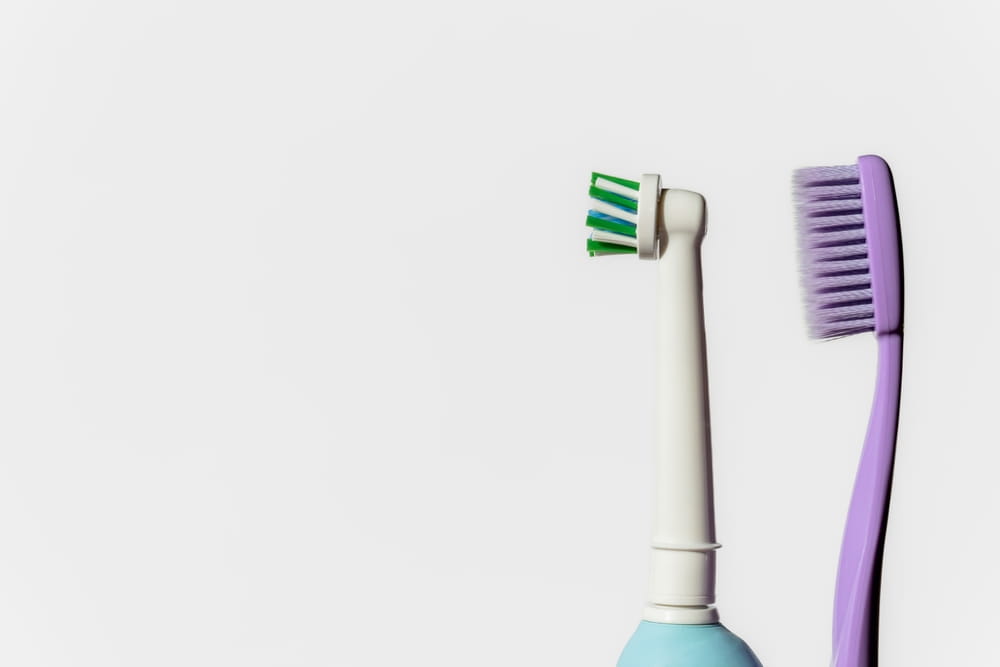
Standing in the pharmacy aisle, the same question always comes up: is it worth investing in an electric toothbrush, or does the good old manual brush suffice? Both options have their advocates, and both can get the job done well. The difference lies in how they suit your mouth, your hands, and your habits.
What an electric toothbrush actually does
An electric toothbrush does the brushing for you. Its head oscillates, rotates, or vibrates at high speed, dislodging plaque without the need for manual scrubbing.
Most modern models feature a two-minute timer and a pressure sensor. The timer addresses a common issue: cutting brushing time short. The sensor vibrates or stops the brush if you press too hard—a common habit that wears down enamel and causes gum recession.
In other words, the device corrects certain technique errors. That is often where its true value lies, rather than in the power itself.
When is a manual toothbrush still a great choice?
A soft-bristled manual toothbrush cleans effectively when used correctly. It requires no maintenance or recharging, travels easily, and is simple to replace.
The key phrase here is “used correctly.” A manual toothbrush requires consistent technique: a 45-degree angle toward the gumline, small circular motions, light pressure, and a full two minutes of brushing. If you have mastered this, you don’t need a powered device.
The hard-bristle trap
Many people choose medium or hard bristles, believing they provide a better clean. It is actually the opposite: stiff bristles irritate the gums and can damage enamel. Furthermore, they can contribute to gum recession over the long term. Soft bristles are recommended in almost all cases.
Certain situations make an electric toothbrush a good choice
There are specific cases where the device makes a tangible difference to daily dental hygiene:
- Limited hand or wrist mobility (arthritis, post-stroke recovery, tremors).
- Fixed orthodontic appliances (braces), where brackets make access difficult.
- Bridges, implants, or crowns that require meticulous cleaning.
- Children and teenagers who tend to rush brushing; the timer provides a clear guide.
- People who experience rapid plaque buildup despite regular brushing.
If any of these situations apply to you, it is worth mentioning it to your dental hygienist at your next check-up. They can provide personalized advice.
What matters more than the type of brush
Regardless of the tool, three other factors are more important:
Frequency: at least twice a day, including once before bed—since saliva production decreases during sleep, leaving bacteria free to proliferate.
Duration: a full two minutes. That is longer than you might think.
Interdental cleaning: no brush, of any kind, can reach the surfaces between teeth. Dental floss or interdental brushes handle these areas, which account for about one-third of the total tooth surface and is where cavities and inflammation often begin. Add to that the need to replace the brush head or the toothbrush itself as soon as the bristles start to splay—usually about every three months.
So, electric or manual?
The most useful answer is simple: the best brush is the one you actually use twice a day for two minutes, using proper technique. An electric toothbrush left sitting on the counter is no match for a manual one used consistently.
Your mouth, your habits, and your dexterity are better guides for your choice than any sales pitch. To review your brushing technique and find out which tool suits your needs, talk to the dental team at your next appointment at Carrefour Dentaire 440.